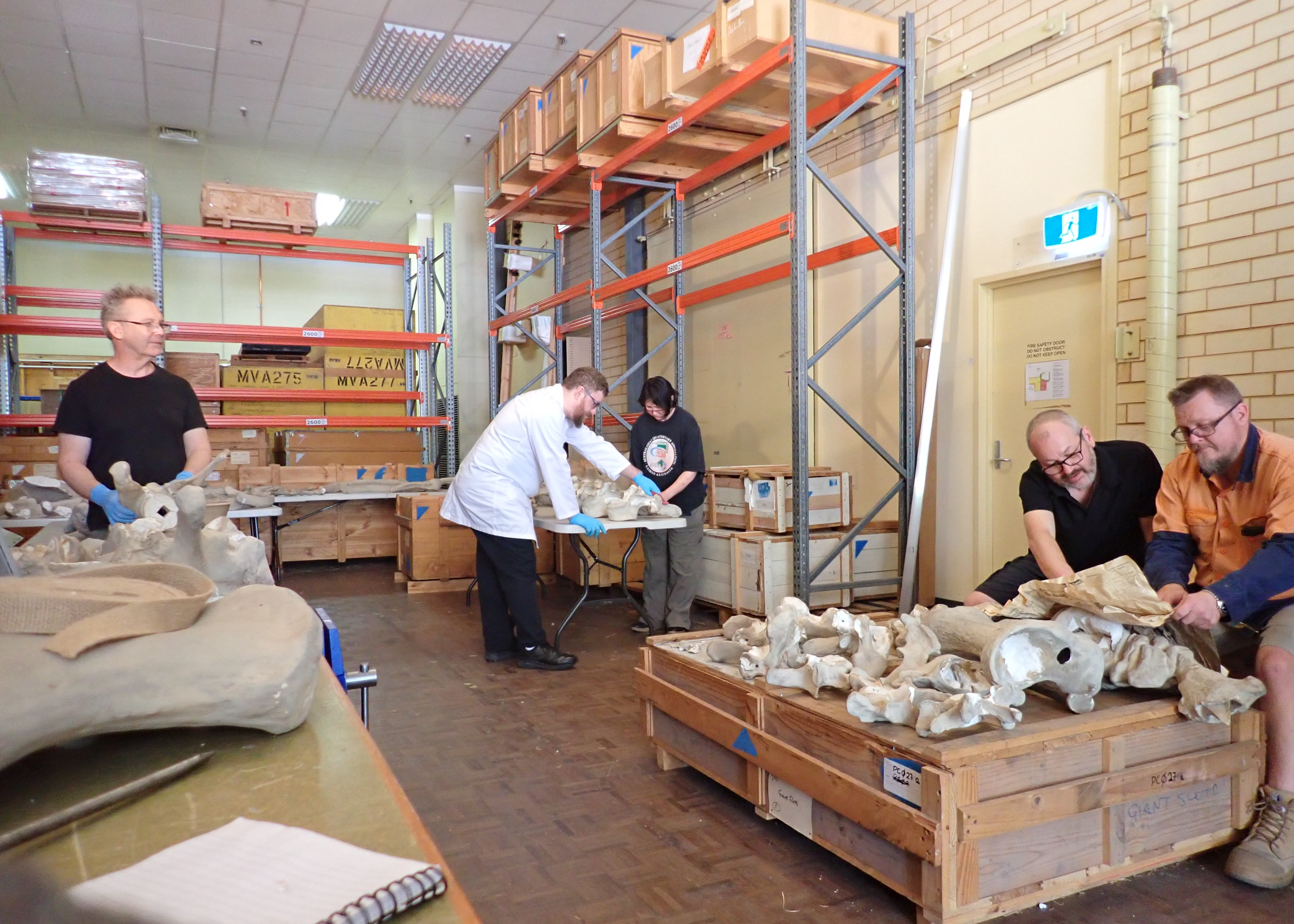
Three of the South Australian Museum’s most unlikely roommates are all packed up and ready to begin a long-awaited journey to their new forever home.
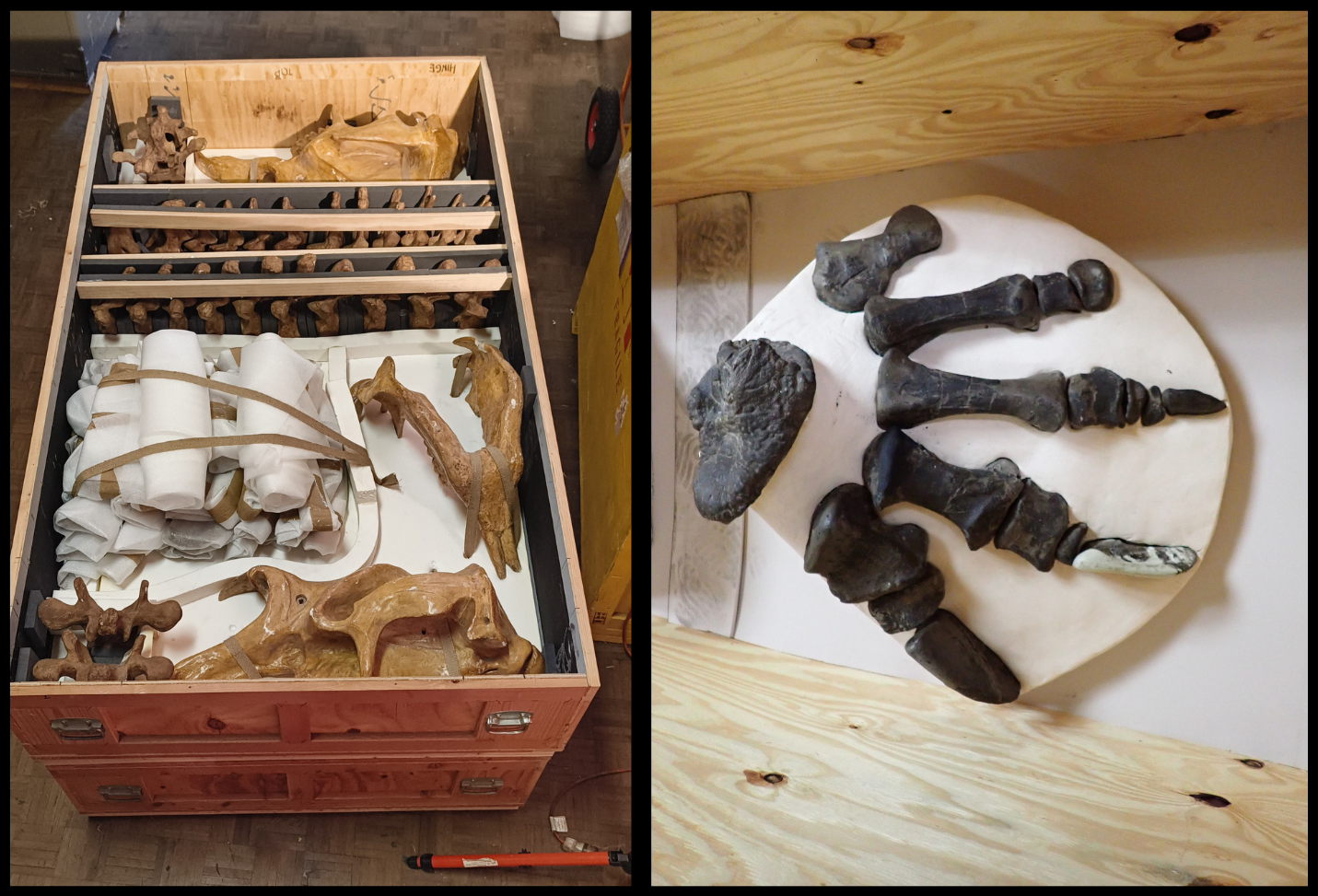
The specimens include casts of a Diprotodon optatum and the moulds which created our iconic display in the Museum’s Fossils Gallery, a Megatherium americanum, an extinct giant sloth and a Diplodocus longus, a dinosaur from Wyoming in the USA.
.JPG)
All have been in the Museum’s collection since the turn of the last century, and most recently put in safekeeping at a temporary storage facility in Netley.
They are being moved along with the Museum’s cultural collections as part of the State Government’s Cultural Institutions Storage Facility (CISF) project.
A dedicated storage facility is due to be completed in February and will house the heritage collections of all the State’s cultural institutions, including the Art Gallery of South Australia, the State Library and the History Trust of South Australia.
The Museum’s collections, including millions of individual items stored at various locations, have been closed to public access while the move is completed, hopefully by September next year. Day-to-day public exhibitions on North Terrace have not been affected and visitors remain more than welcome.
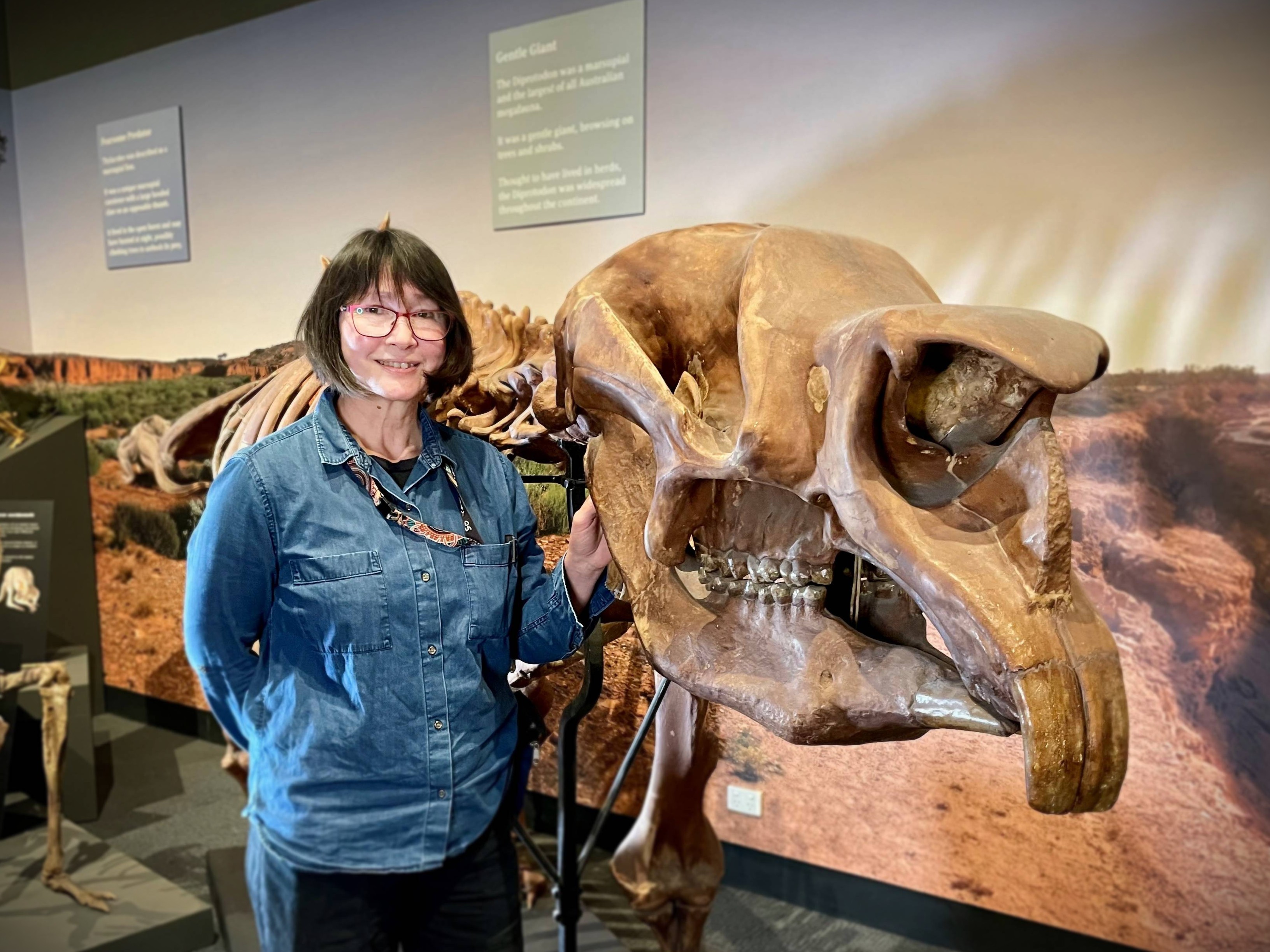
The South Australian Museum’s Palaeontology Collection Manager Mary-Anne Binnie said preparing for the moves is a massive undertaking.
“Thousands of collection items — each with their own story and significance — are being carefully relocated,” she said.
“To make this happen smoothly (and safely), we’ve temporarily closed the collections so that our team can focus fully on the move. “
“It’s a huge job! Every single specimen or object needs to be recorded, assessed for condition, restored if needed, and then packed — in custom-built boxes or crates — to ensure it’s protected for the journey and storage.
“This process takes time, care, and teamwork – we couldn’t do this without colleagues from other sections of the Museum lending their expertise and support.”
Dr Binnie expects the Palaeontology Collection to be catalogued, packed up, and ready to move by January next year.
She commended her team of Jo Bain, Daniel Cusack, Rowan Moore and Ross Simon (pictured with Dr Binnie at top) for their efforts in such a big task.
The Diprotodon display in the gallery – which is actually a composite skeleton cast of the extinct marsupial - was excavated from Lake Callabonna in the State’s far north in 1893.
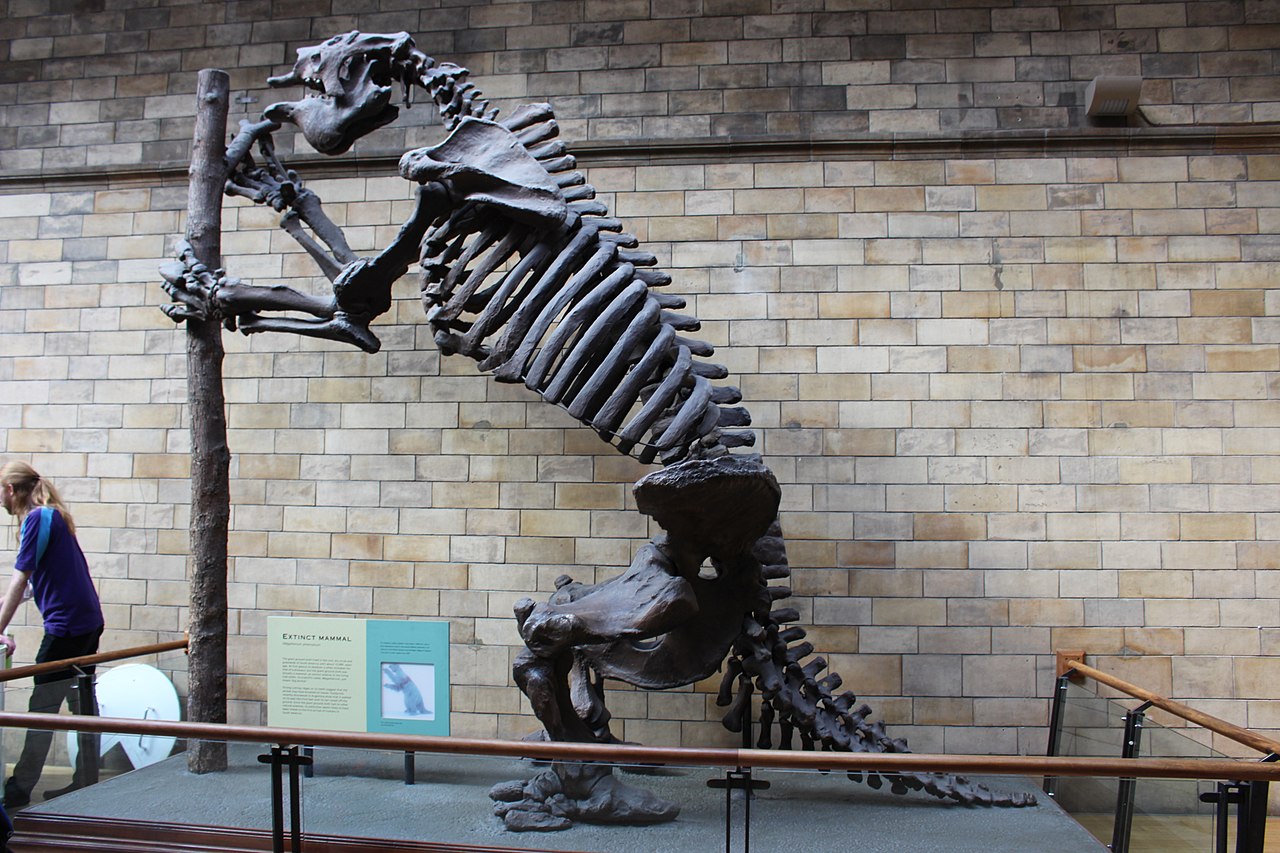
The giant sloth - from South America and also long extinct -was purchased in 1896, and is a replica of a skeleton cast on display in the Natural History Museum in London.
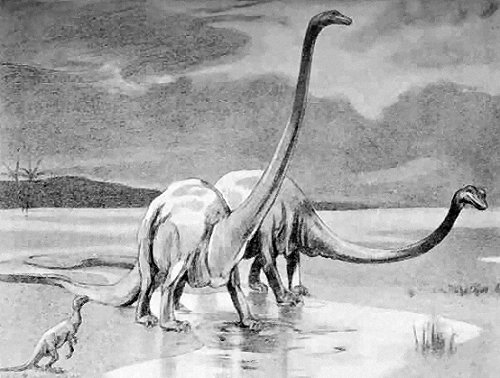
The long-necked 150-million-year-old Diplodocus was acquired in an exchange with the American Museum of Natural History in 1901.
Each of the three specimens has been re-packed to keep them secure in their crates and are currently being stored in the temporary holding facility at Netley pending their final move.
Under the CISF project, the Museum’s, Archaeology, World Cultures and Australian Aboriginal Cultures collections along with the Archive are being moved to the new dedicated facility.
And while the move is a lot of work, Dr Binnie said it also provides an opportunity to consolidate the Museum’s collections.
“We normally just don’t have a lot of time to do these sorts of things, so this is a golden opportunity to check our material,” Dr Binnie said, “and if they need some repairs we can do it before they’re repacked for transport and storage.”
More information on the CISF project can be found on the Museum’s Collections page.


