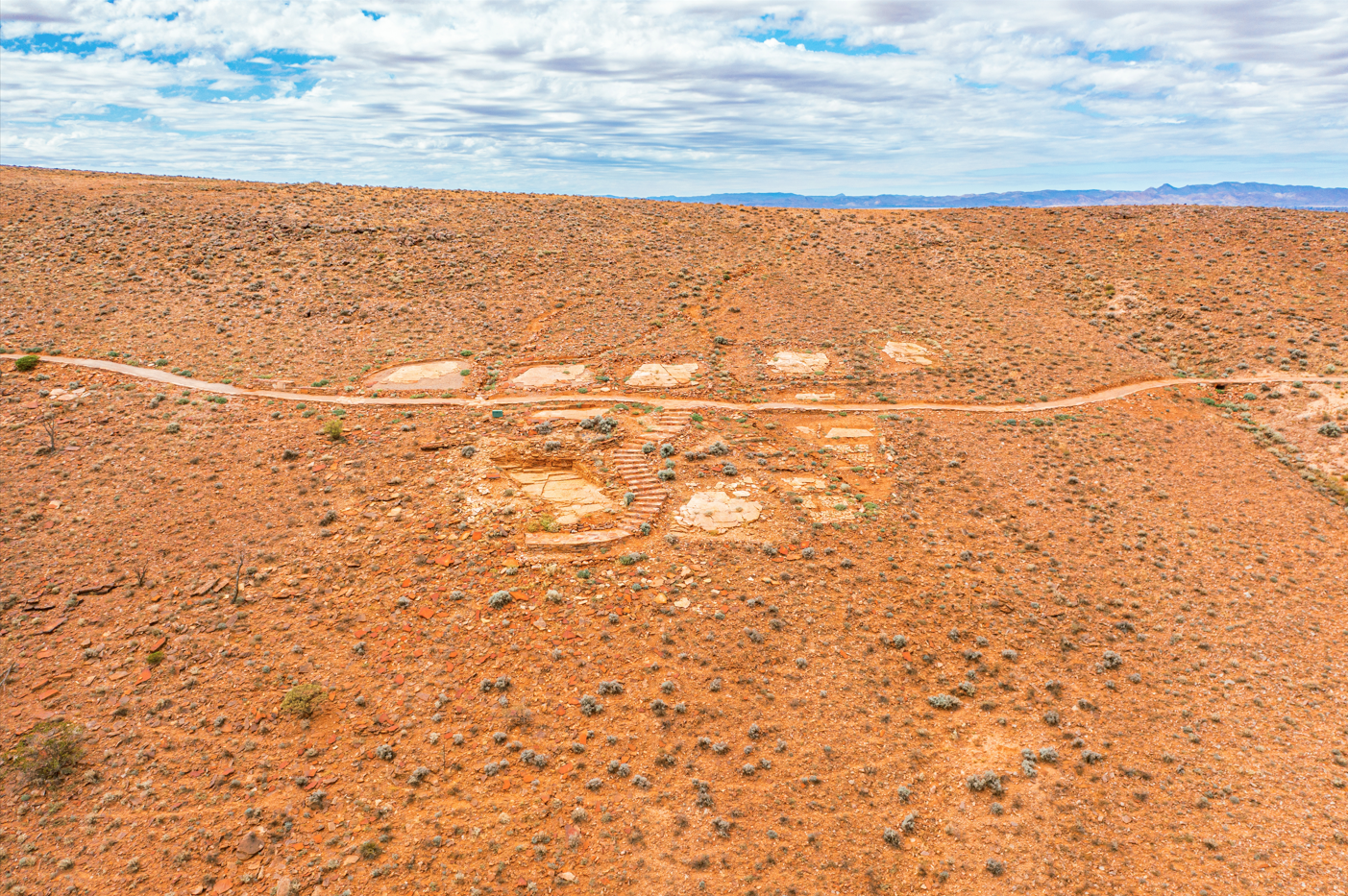
Research conducted by the South Australian Museum has played a crucial role in a World Heritage bid for the Flinders Ranges reaching an important milestone.
The bid has now been accepted by UNESCO’s World Heritage Centre in Paris.
A key plank of the bid is the historical significance of the Ediacaran fossil beds at Nilpena (above), which capture a unique moment 550 million years ago when the planet's first complex life emerged beneath a shallow sea.
Australian research into this unique fossil site is led by Museum Senior Researcher and palaeontologist Dr Diego García-Bellido.
These world-renowned fossils now grace the Museum walls its Ediacara Gallery, and represent an exceptional opportunity to engage future generations in science, while making them proud of their state's heritage.
The bid breakthrough in Paris was announced in the Gallery by Federal Environment Minister Murray Watt on Saturday.

He said a final decision on the application is now expected from UNESCO sometime next year.
“A future World Heritage listing would mean protection under our national environment law, and international recognition at the highest level,” Mr Watt said.
“The rugged landscape is one of the oldest living examples of life on Earth and is home to vulnerable native species like the Yellow-footed Rock Wallaby and the Western Quoll.
“We are committed to working in partnership with the South Australian Government and the Adnyamathanha people to ensure the Flinders Ranges is preserved for future generations as a place of outstanding universal value.”
The nominated area spans 58,000 hectares and comprises key sections within Ikara-Flinders Ranges National Park, Vulkathunha-Gammon Ranges National Park, Nilpena Ediacara National Park and pastoral leases including Arkaroola Wilderness Sanctuary.
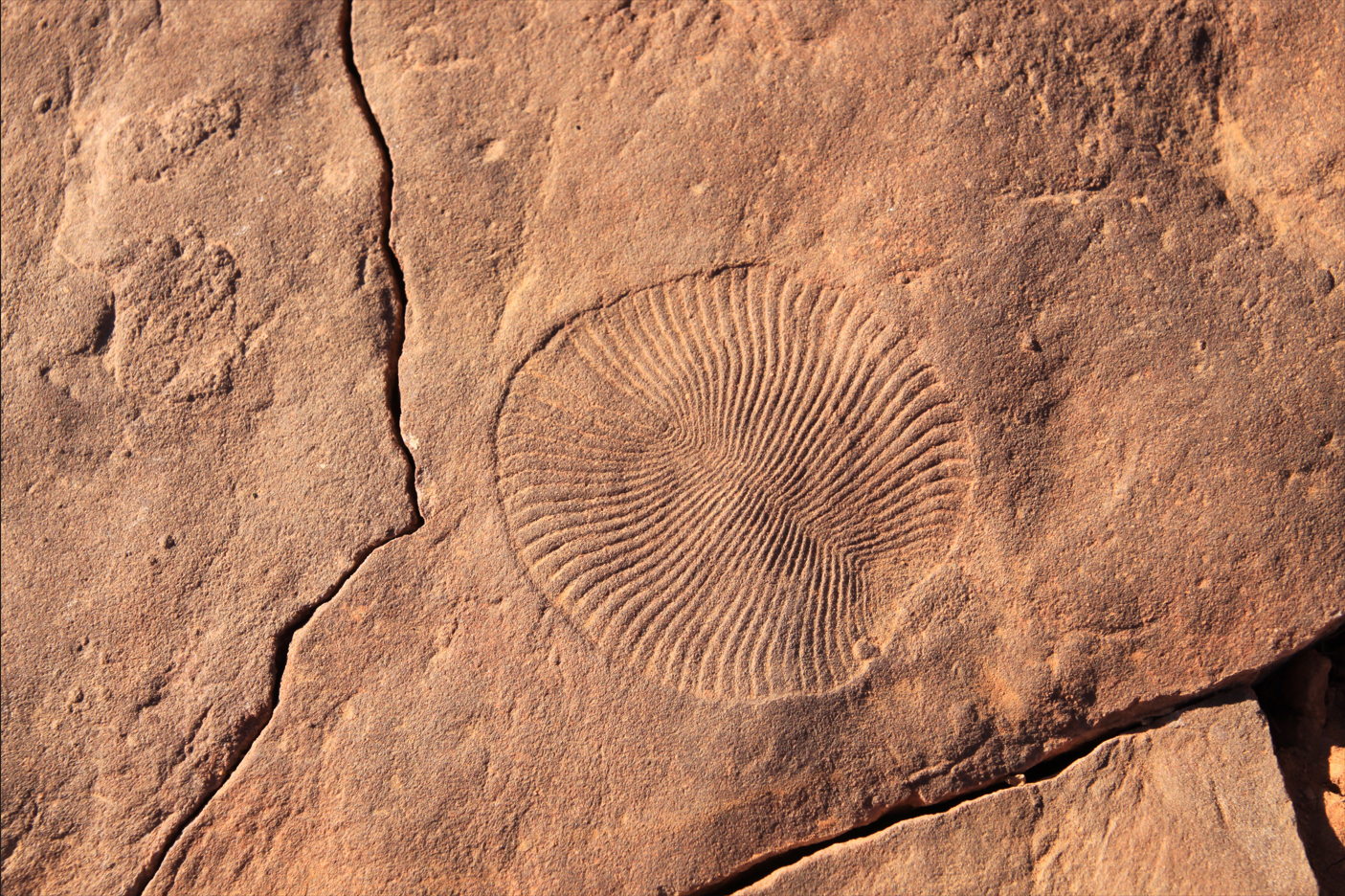
The 368-page submission has nearly 4,000 pages of supporting materials and follows a decade of work – including the South Australian Museum research.
Recognising the deep cultural significance of the Flinders Ranges for the Adnyamathanha people was also vital to the bid.
UNESCO requires World Heritage applications be supported and consented to by all relevant First Nations communities. Last June, the Adnyamathanha Common Law Holders provided their consent.
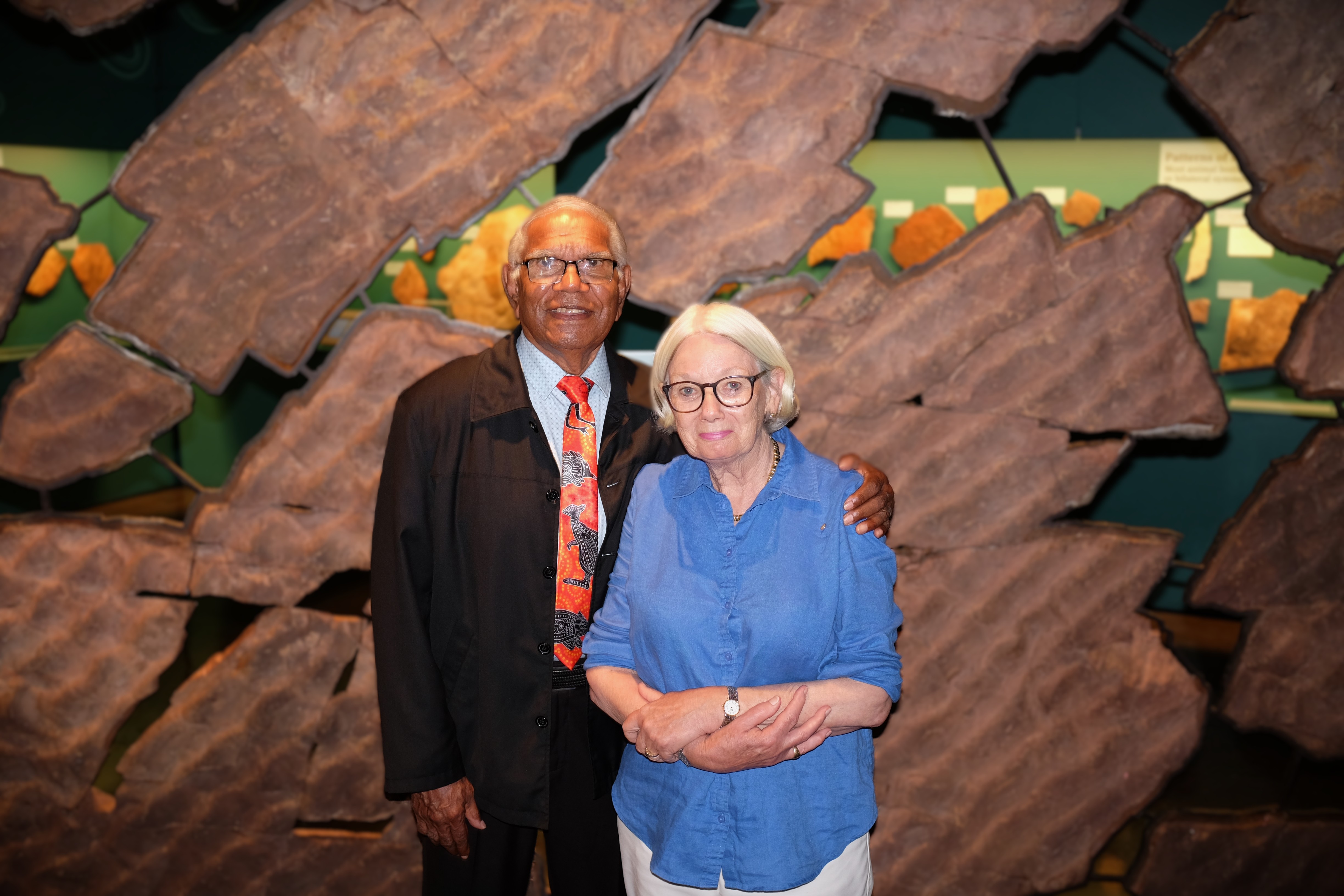
Adnyamathanha Senior Elder Charles Jackson OAM attended Saturday’s announcement at the Museum.
“Adnyamathanha people have made a major contribution to this project through endorsement of the nomination and providing our cultural information so that we are front and centre on the world stage,” he said.
“This contribution is crucial and represents an example of working together during a time when there are lots of challenges for Aboriginal people.”
Department for Environment and Water Park Planning and Visitor Experience Director Jason Irving said pursuing World Heritage listing for the Flinders Ranges provides an exciting opportunity to recognise this incredible landscape on a global scale.
“World Heritage listing offers an exciting opportunity to celebrate the region’s outstanding geology and fossil features, and its rich cultural and environmental values,” he said.
“It will also stimulate economic benefits for the Flinders Ranges, which is already an international tourist drawcard, with some of our most iconic national parks slated for World Heritage listing.”
The Flinders Ranges was recently named by Lonely Planet as one of the best places in the world to visit – that announcement was also made at the Museum.
For more information on Ediacaran fossils visit the South Australian Museum website.


