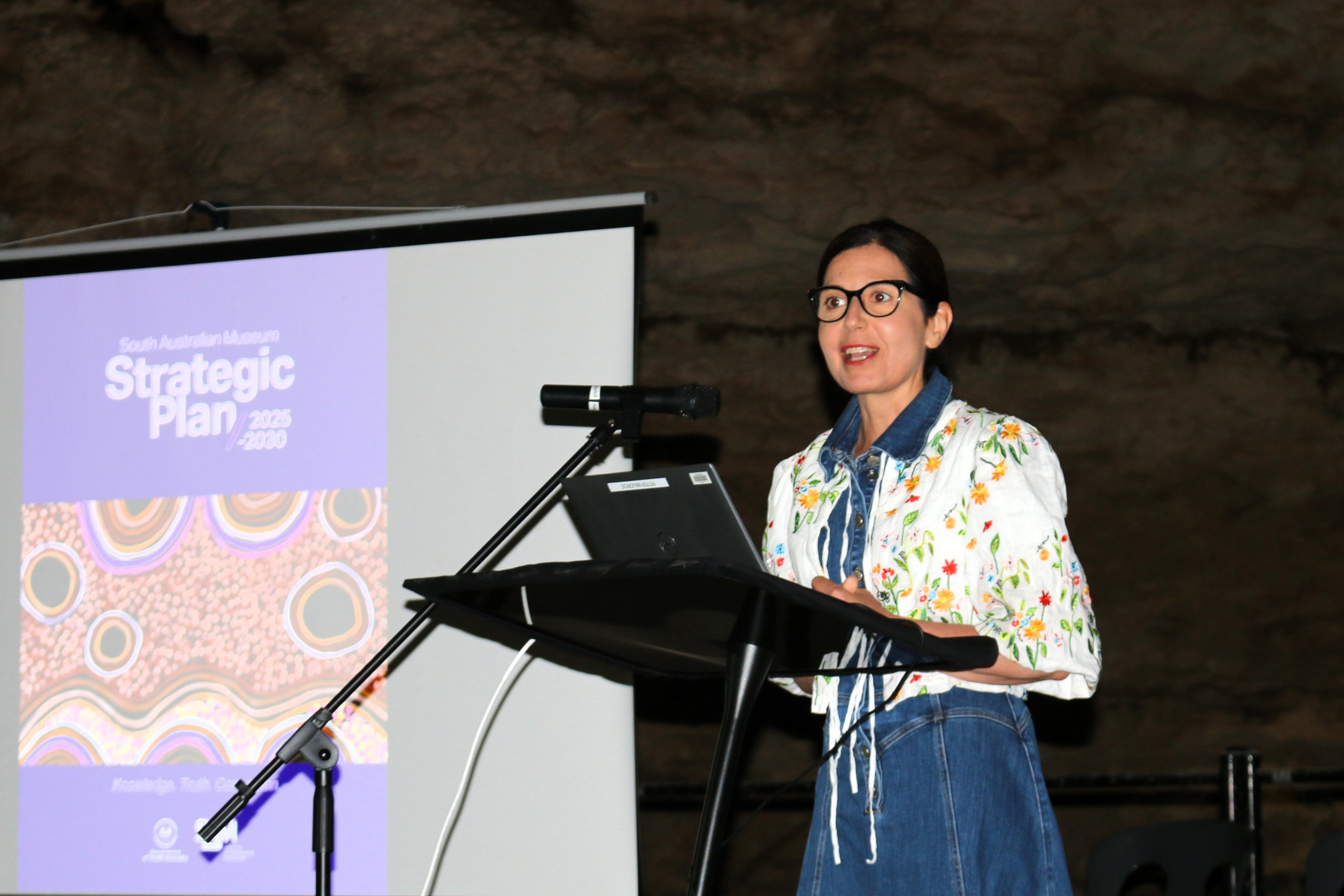
Recently appointed South Australian Museum Director Dr Samantha Hamilton has visited the World Heritage listed Naracoorte Caves.
The Museum has a long history of working with researchers at the caves and has thousands of specimens from the system in its Palaeontology Collection.
The caves, in the state’s south-east, have a palaeontological record dating back at least 500,000 years, including a number of glacial periods.
They also record the extinction of Australia’s megafauna and the region’s changing climate.
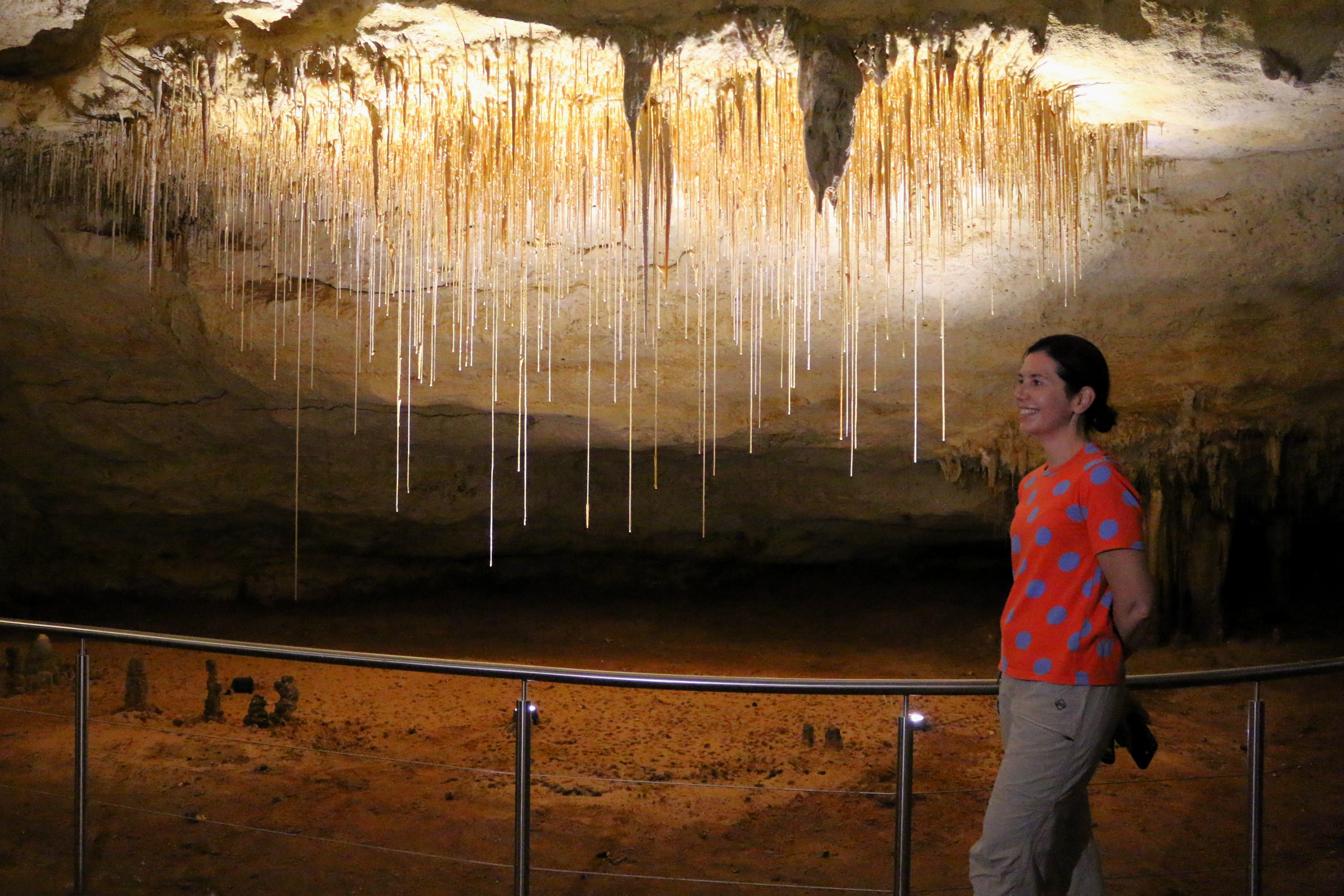
Dr Hamilton said the Museum’s partnership with the Naracoorte Caves National Park and associated researchers was crucial to understanding how the State’s environment had changed, the impact of European settlement, and what the future holds for our changing climate.
“There is just so much information available to us within this remarkable cave system,” she said. “The caves acted as a pit trap for wildlife for hundreds of thousands of years and give us a wonderful record of life in the region.
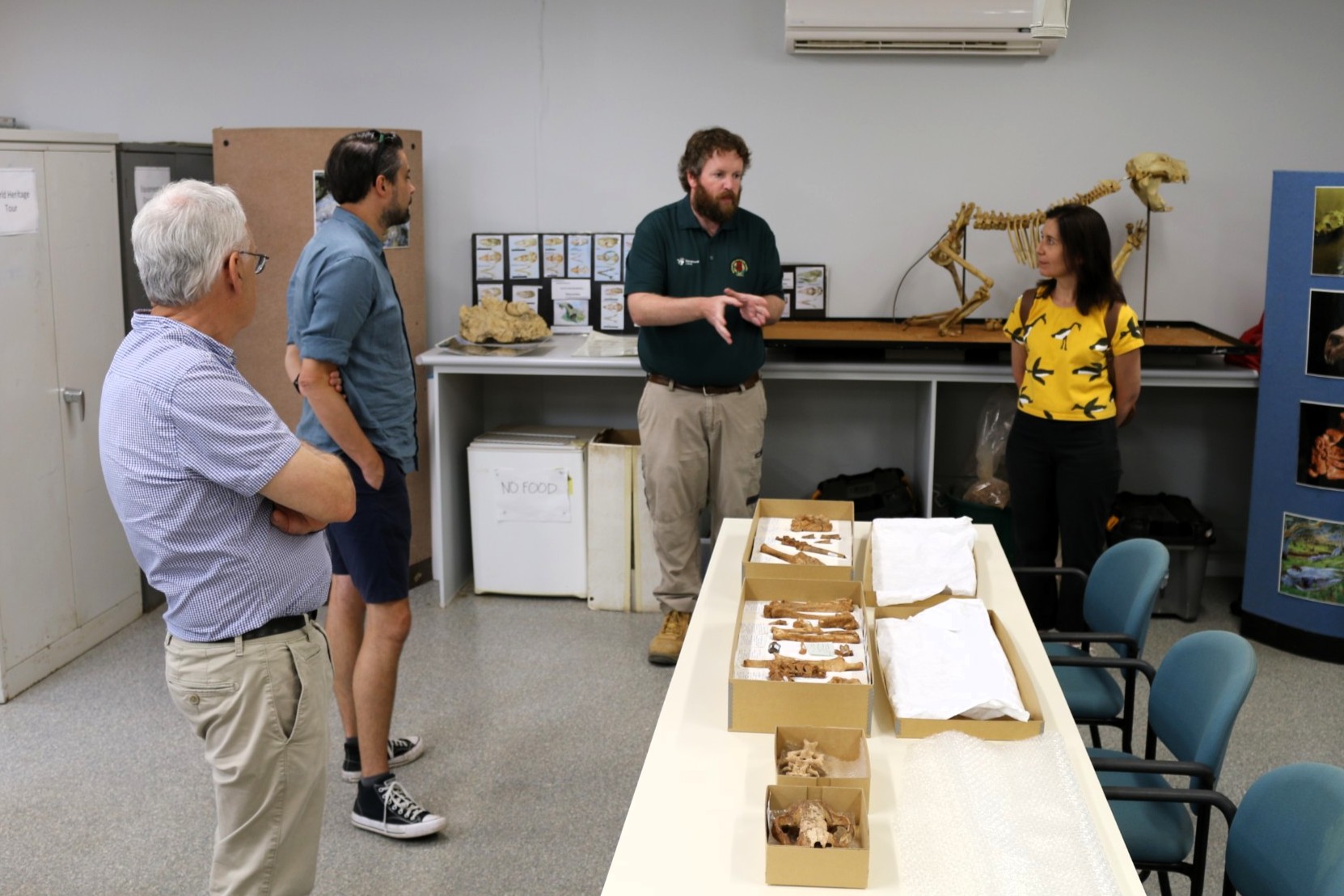
“The Museum has 8200 catalogued specimens from the caves including megafauna fossils, and many more that are so far uncategorised.
“So, there is still a lot of work to be done, and the Museum will continue to support researchers, our universities and the team at the caves.
“This is something that is important for all South Australians.”
Dr Hamilton visited the caves along with the Museum’s Director of Collections and Research Adam Moriarty and South Australian Museum Board Chair Robert Saint.
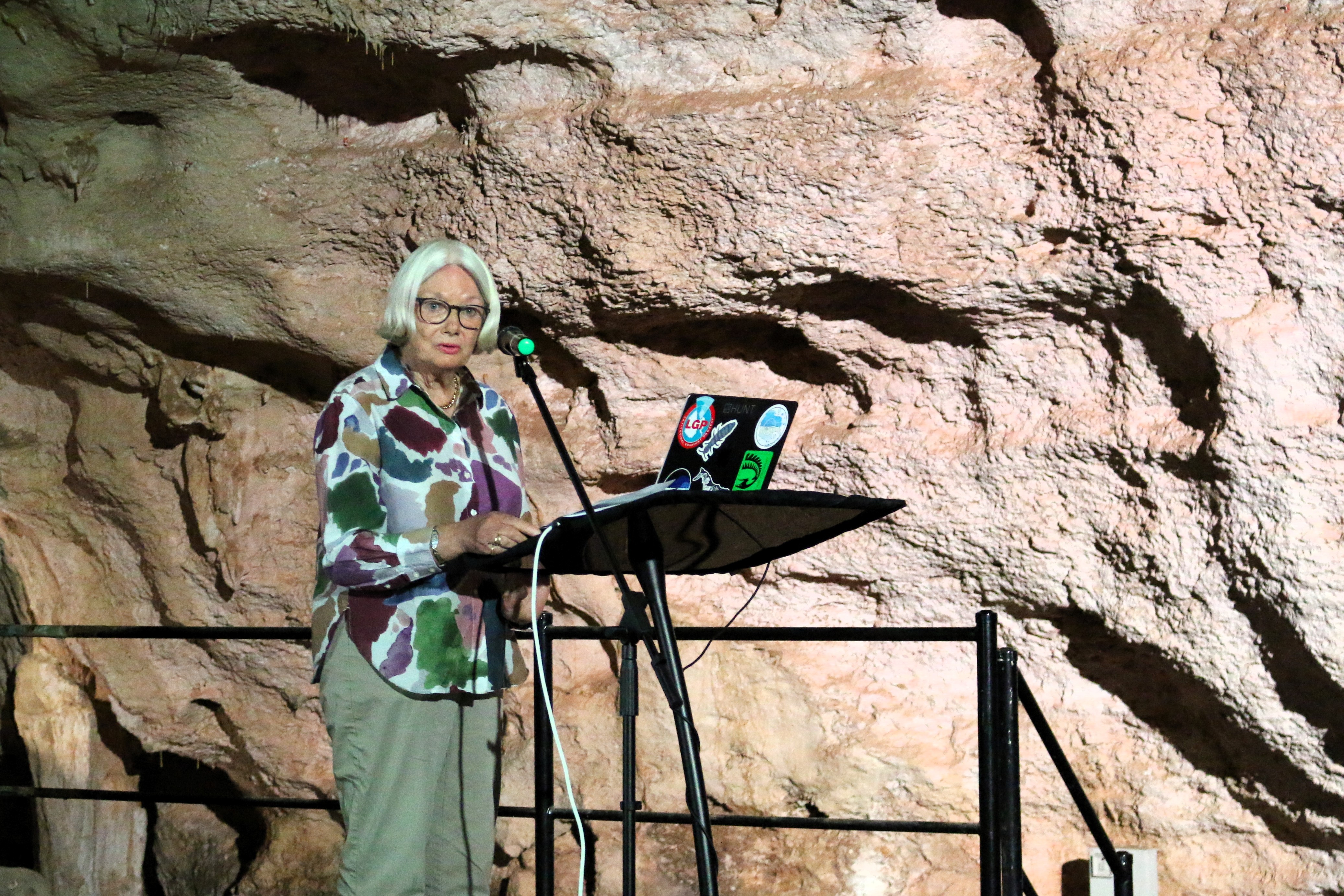
While at the caves, Dr Hamilton also spoke (top) at the Science Beneath the Surface: Unlocking the value at UNESCO World Heritage sites event, hosted with the Department for Environment and Water (DEW).
DEW’s National Parks and Wildlife Service manages the Naracoorte Caves National Park.
Dr Hamilton, who took up the role as Museum Director in September, told the audience, who had gathered in the spectacular Blanche Cave for the event, about the Museum’s new Strategic Plan.
She also said her previous role as Chief Executive Officerof Rock Art Australia had informed her on the need to perform research and build partnerships to support World Heritage site listings, including the need for significant rock art in the Kimberely to be recognised and protected because of their cultural values.
The other key speakers were:
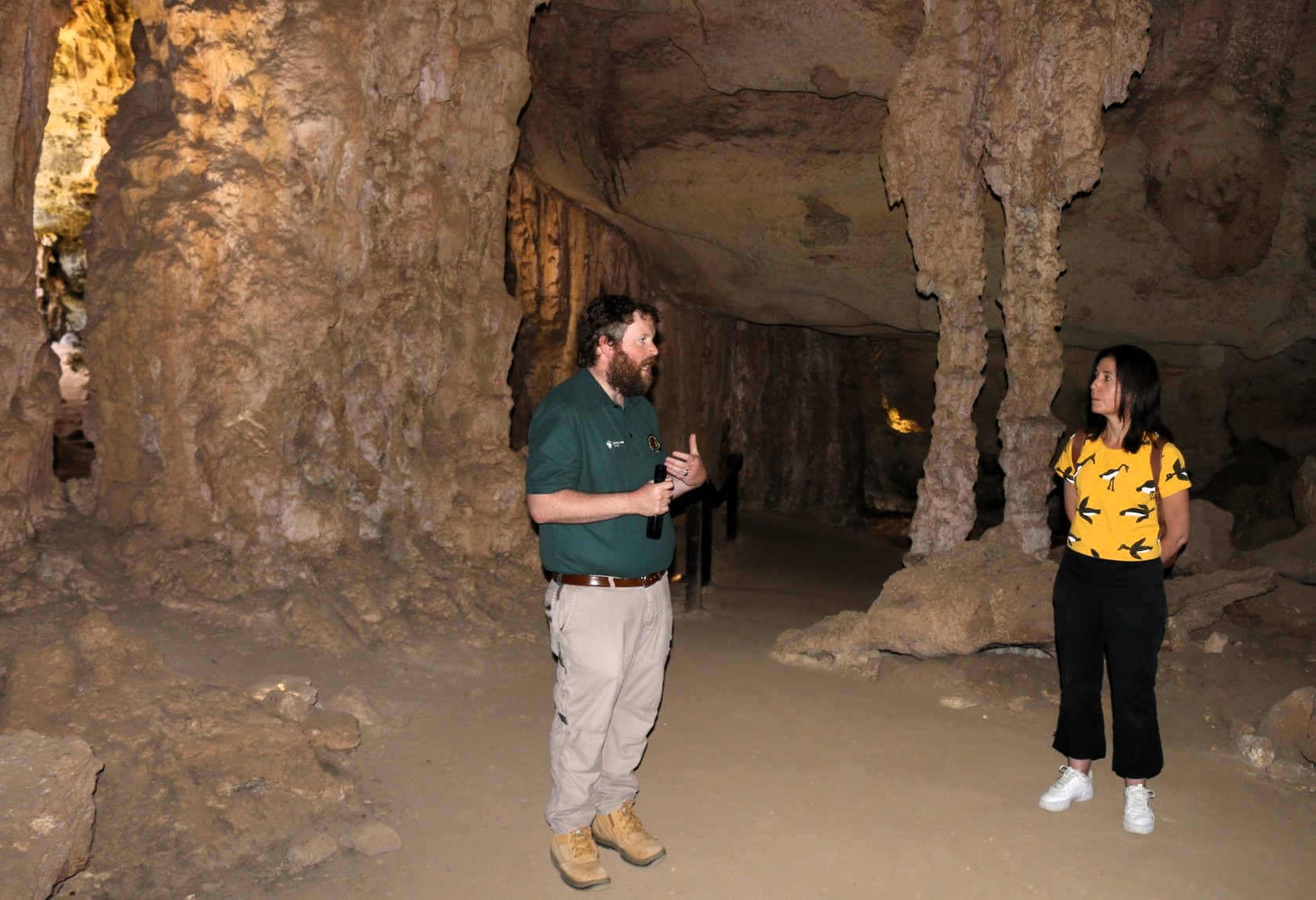
Dr Hamilton and the Museum team also toured the caves and facilities at the site with Dr Reed, palaeontologist Tiah Bampton and Naracoorte Caves Site Manager Thomas Shortt.
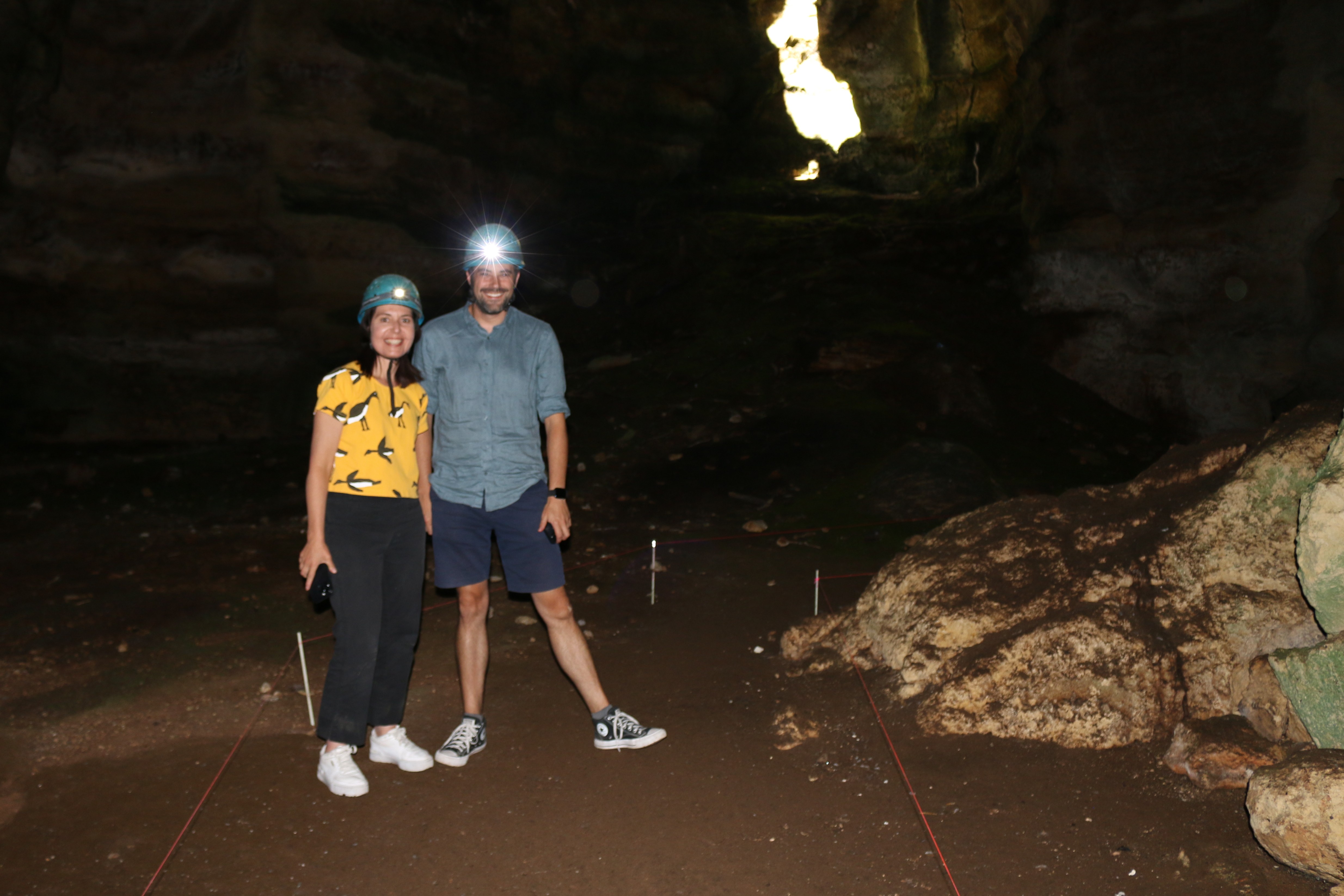
A highlight was viewing a number of dig sites deep within the cave system that Dr Reed and her PhD student Ms Bampton are working on along with other researchers.
Mr Shortt said the visit from the Museum team was a fantastic opportunity to foster collaboration.
“Both the visit by Dr Hamilton and her team, and the Science Beneath the Surface event were a huge success,” he said.
“The caves have so much to offer to the research community, but also must be preserved for future generations.
“A strong partnership with the Museum plays an important role in both.”
Visit the South Australian Museum’s website for more information on its Palaeontology Collection.
More information on the Naracoorte Caves can be found on its website.


