Researchers at the South Australian Museum have marked International Day for Biological Diversity (22 May) with a rollcall of taxonomical accomplishments over the past year.
IDBD commemorates the adoption of the Convention for Biological Diversity and provides an opportunity to foster support to minimise the loss of global biodiversity.
The South Australian Museum’s Science Centre plays a key role in firstly identifying new species and then educating the public on their importance.
The Museum’s Senior Researcher for Marine Invertebrates Rachael King said the theme for IDBD this year Acting locally for global impact, perfectly reflected the team’s efforts.
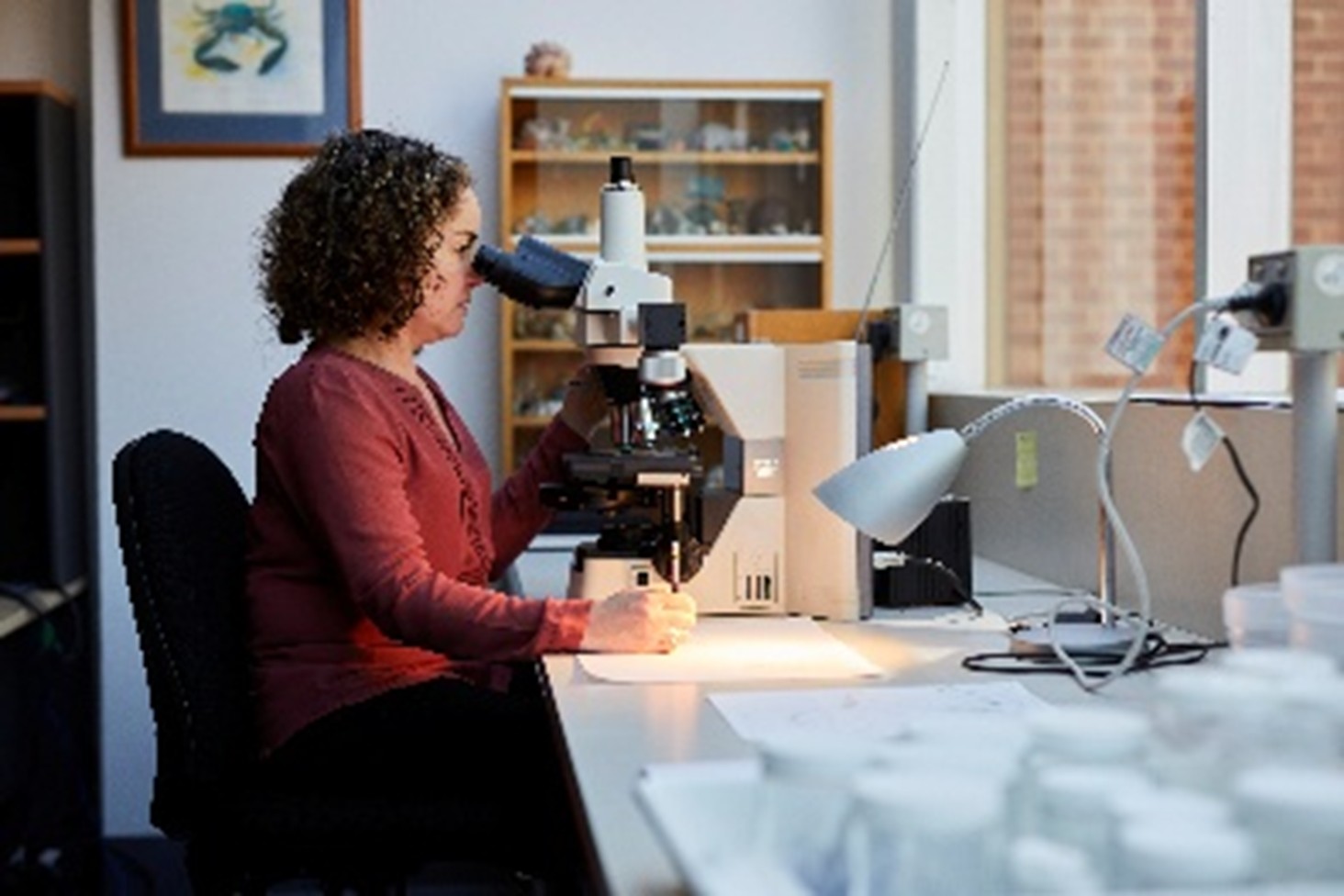
“Biodiversity protection doesn’t start at global summits,” she said. “It starts with local knowledge and care.
“This International Day for Biological Diversity, we’re proud to act locally for global impact.”
In the past year alone, 147 species have been described by the Science Centre’s staff and honorary researchers (24/25 FY).
That includes bees, wasps, weevils, fish, skinks, frogs, geckos, crustaceans, marsupial parasites, fossil invertebrates, and fossil fish.
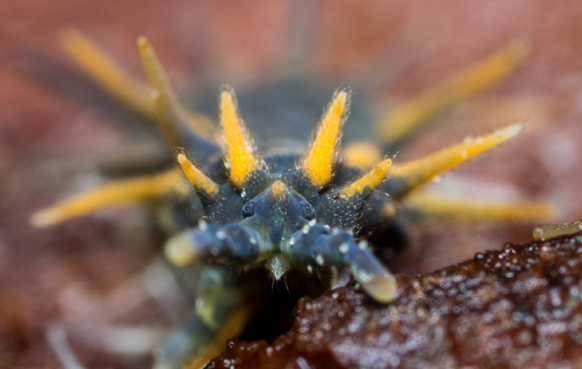
Highlights for the year include the taxonomic recognition of the first unique southern hemisphere Collembola subfamily –better known as springtails – in Australasia by our Senior Researcher for Terrestrial Invertebrates Mark Stevens.
Dr Stevens describes the often incredibly-coloured springtails as fantastic beasts. You can read his paper here.
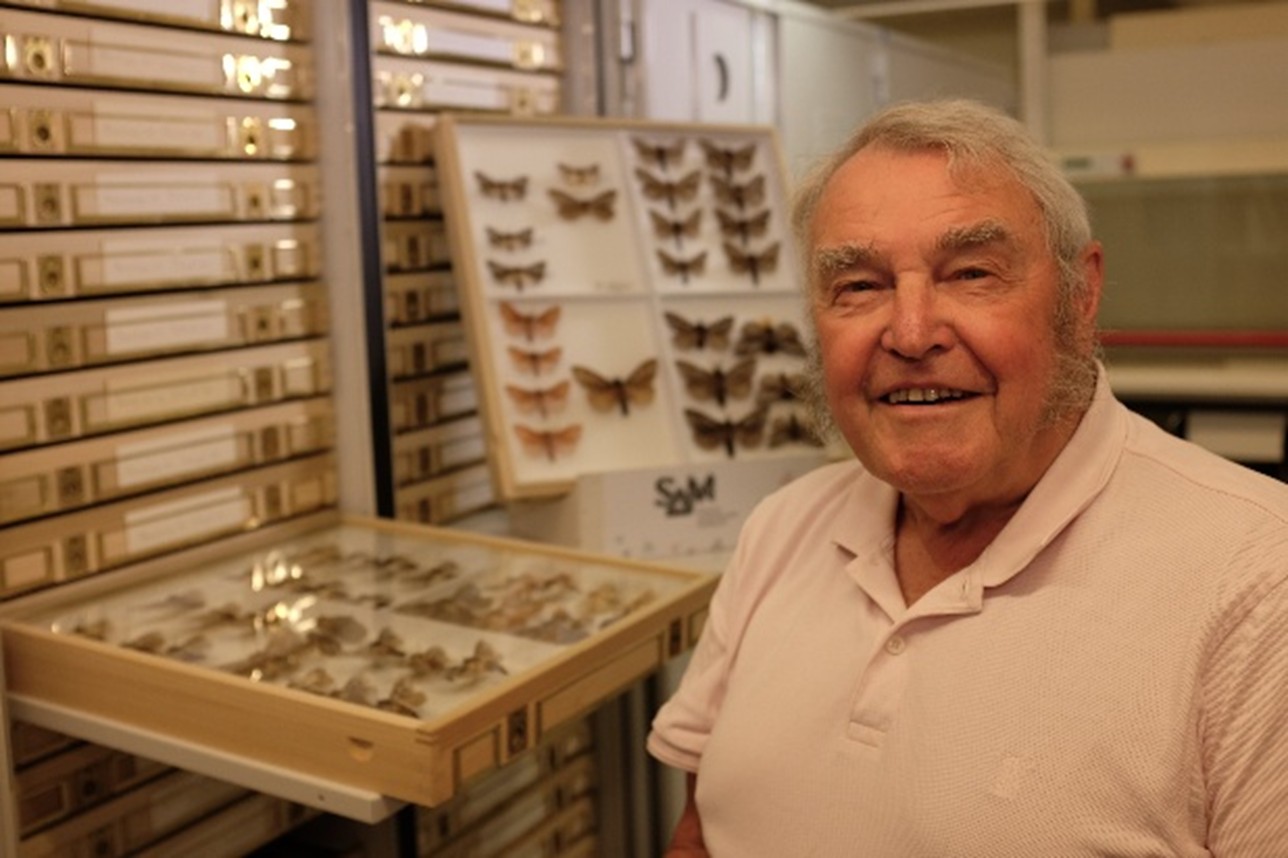
Dr Stevens with Honorary Researcher Mike Moore also identified five new Australian rain moth species, including the discovery of three on one night in Western Australia. You can read their paper here.
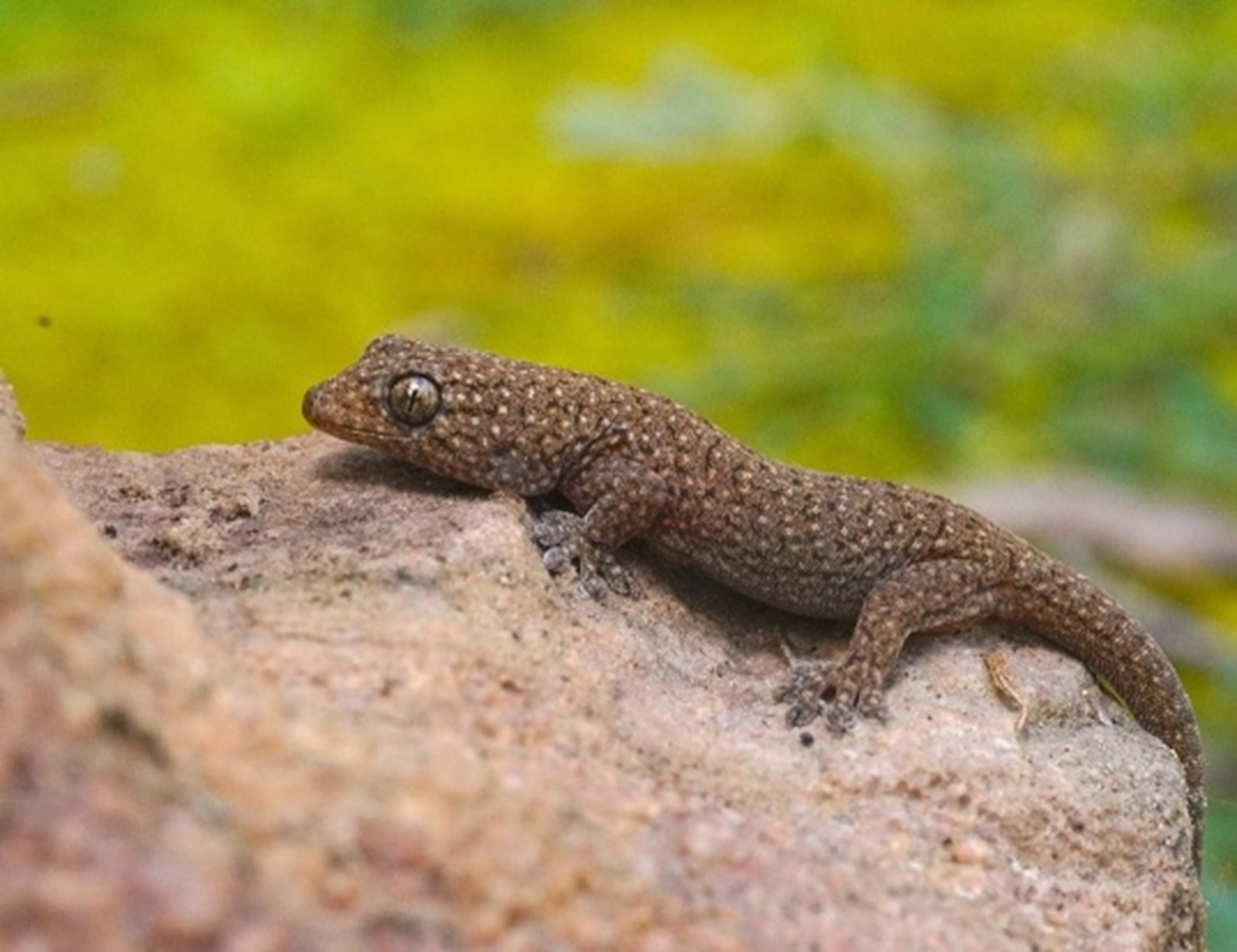
A study of Australasian geckos involving our Senior Researcher Palaeontology Michael Lee has revealed at least six new cryptic species, as well as surprising evolutionary uniqueness in others.
For instance, the Southern Rock Dtella (Gehyra lazelli), found north of Adelaide, separated from its nearest relative around 9 million years ago – which was before humans separated from chimpanzees. You can read Dr Lee’s paper here.
Dr Lee also helped reveal how a burst of biological change among Australian sea snakes has perfectly supported hard-to-prove theories predicting rapid but sporadic “pulses” in evolution.
The paper studied Australia’s sea snakes, which split off from our terrestrial venomous snakes or elapids, about 17 million years ago. You can read that paper here.
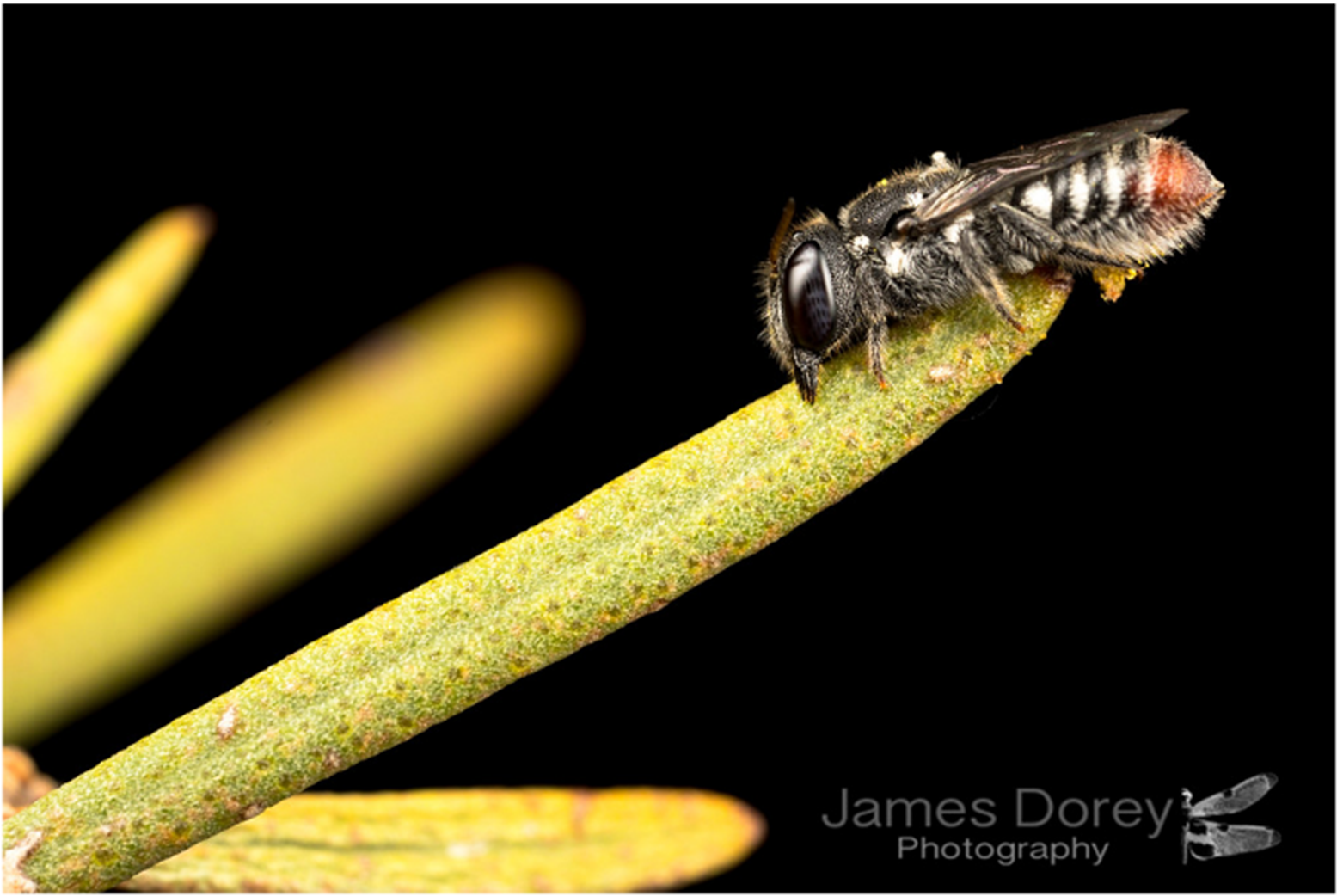
Remko Leijs, an Honorary Research Scientist at the Museum, has described more than 100 new Australian native bee species, focusing on resin pot bees, silk bees and others.
His work, often in collaboration with citizen science project Bush Blitz, significantly advances the knowledge of Australian invertebrate biodiversity. You can read his latest paper in which he and his team describe 71 new bee species here.
One of Dr Leijs’s collaborators on the paper James Dorey captured the of a native bee species at top.
Dr King has also contributed strongly to the Museum’s research efforts.
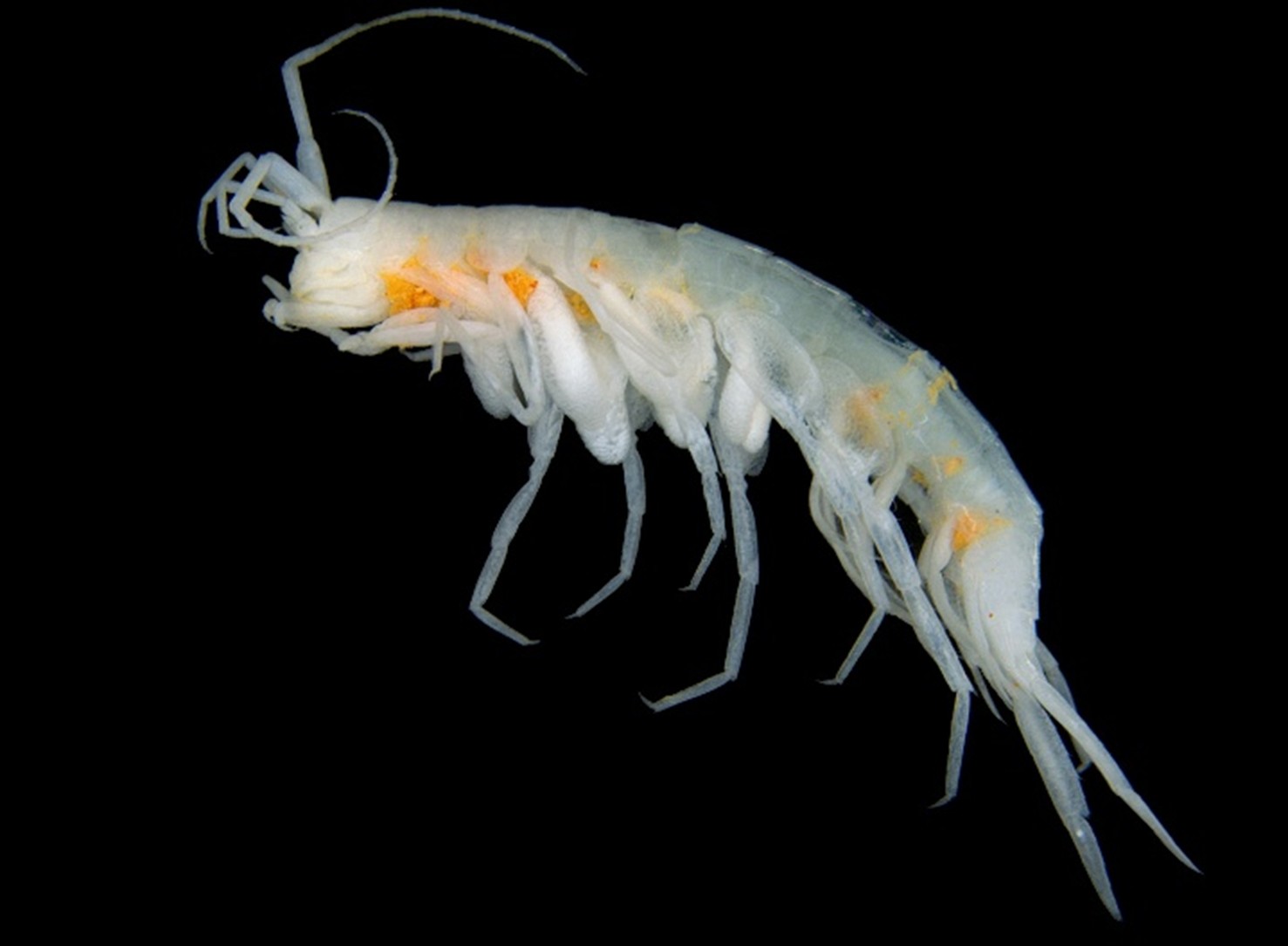
A recent extensive survey of Mount Lofty and Eyre Peninsula groundwater springs has uncovered a new genus with 10 new species of subterranean-dwelling amphipod crustaceans (currently in preparation for publication).
Along with Adelaide University researcher Danielle Stringer, she also described another new amphipod crustacean discovered in underground freshwater aquifers in Western Australia. You can read more about their work here.
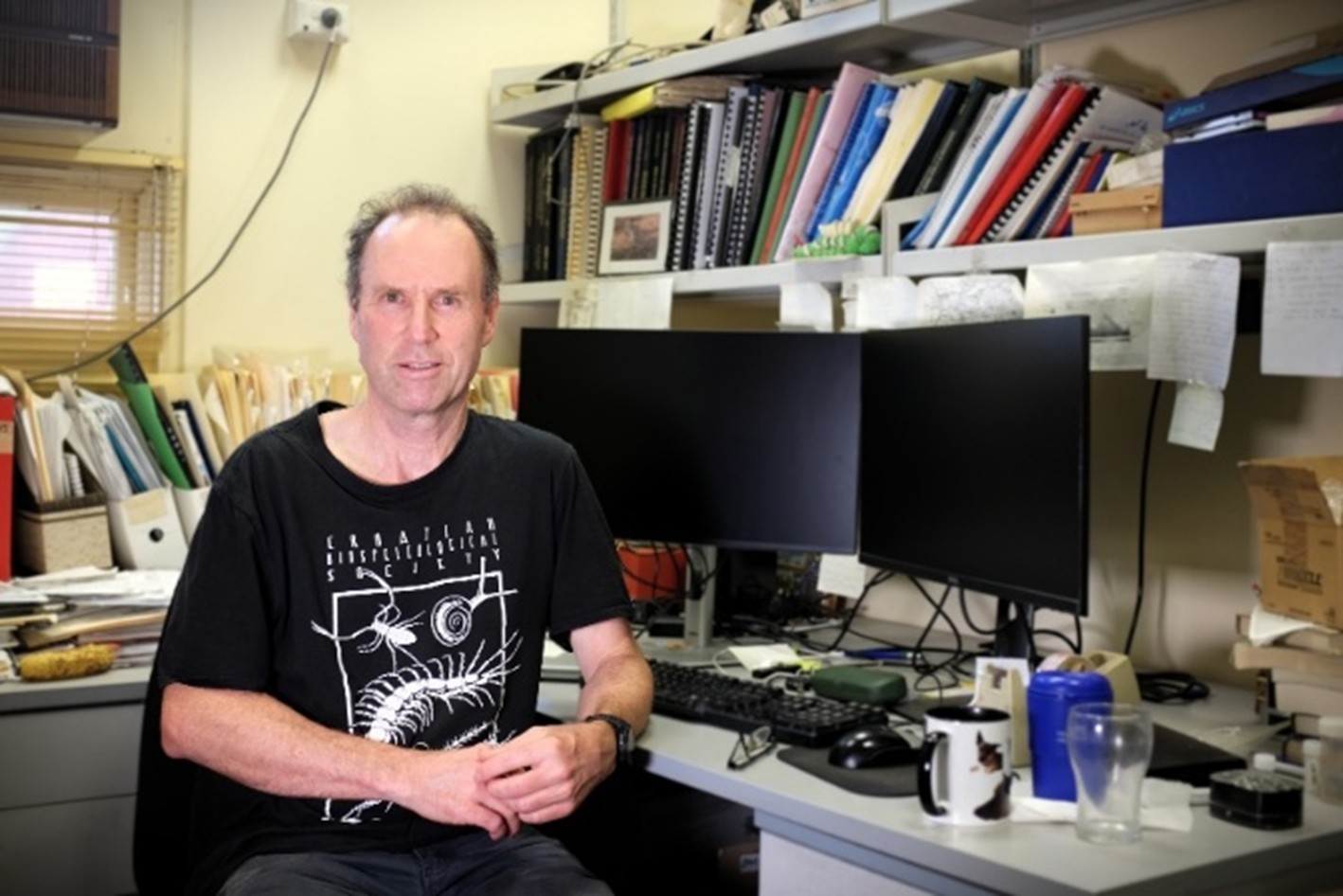
Professor Steve Cooper, who is Principal Researcher in Evolutionary Biology, and bioinformatics researcher Dr Terry Bertozzi, both at the South Australian Museum, were part of a team that discovered a new species of bandicoot.
The specimen from Irian Jaya sat in a box for almost 30 years before it was identified. You can read their paper here.
A team including our Honorary Researcher Stephen Richards, bioinformatics researcher Dr Terry Bertozzi and evolutionary biologist Professor Steve Donnellan, who retired from the Museum in 2023 and is still active as an Honorary Researcher, dramatically improved our understanding of tree frogs.
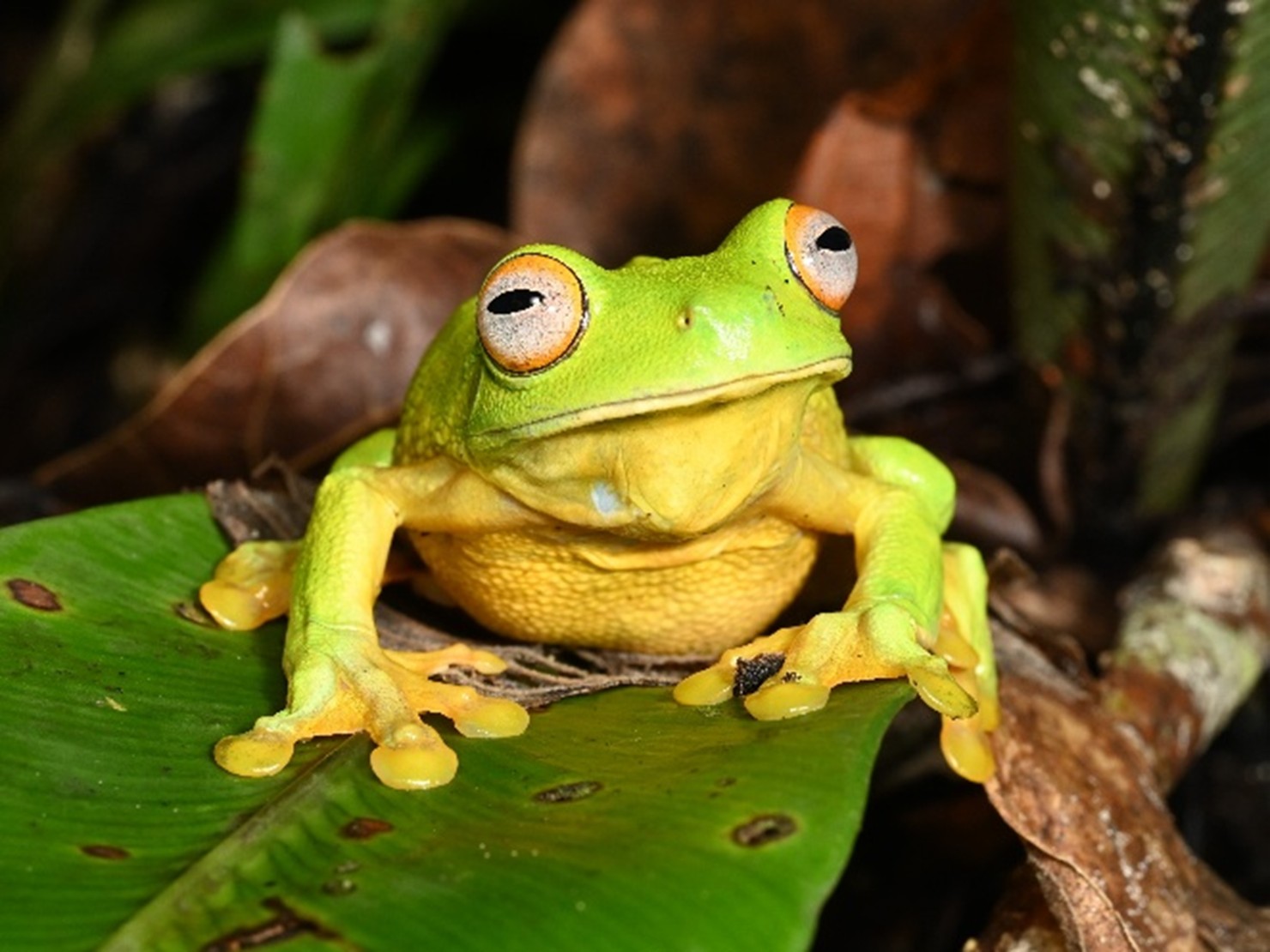
Their work recognised 35 genera across Australia and New Guinea, each identifiable by a distinctive suite of characteristics.
The new classification provides an entirely new perspective on the importance of these frogs for estimating biodiversity values for conservation not just for individual species but also for ecological communities. You can read their paper here.


