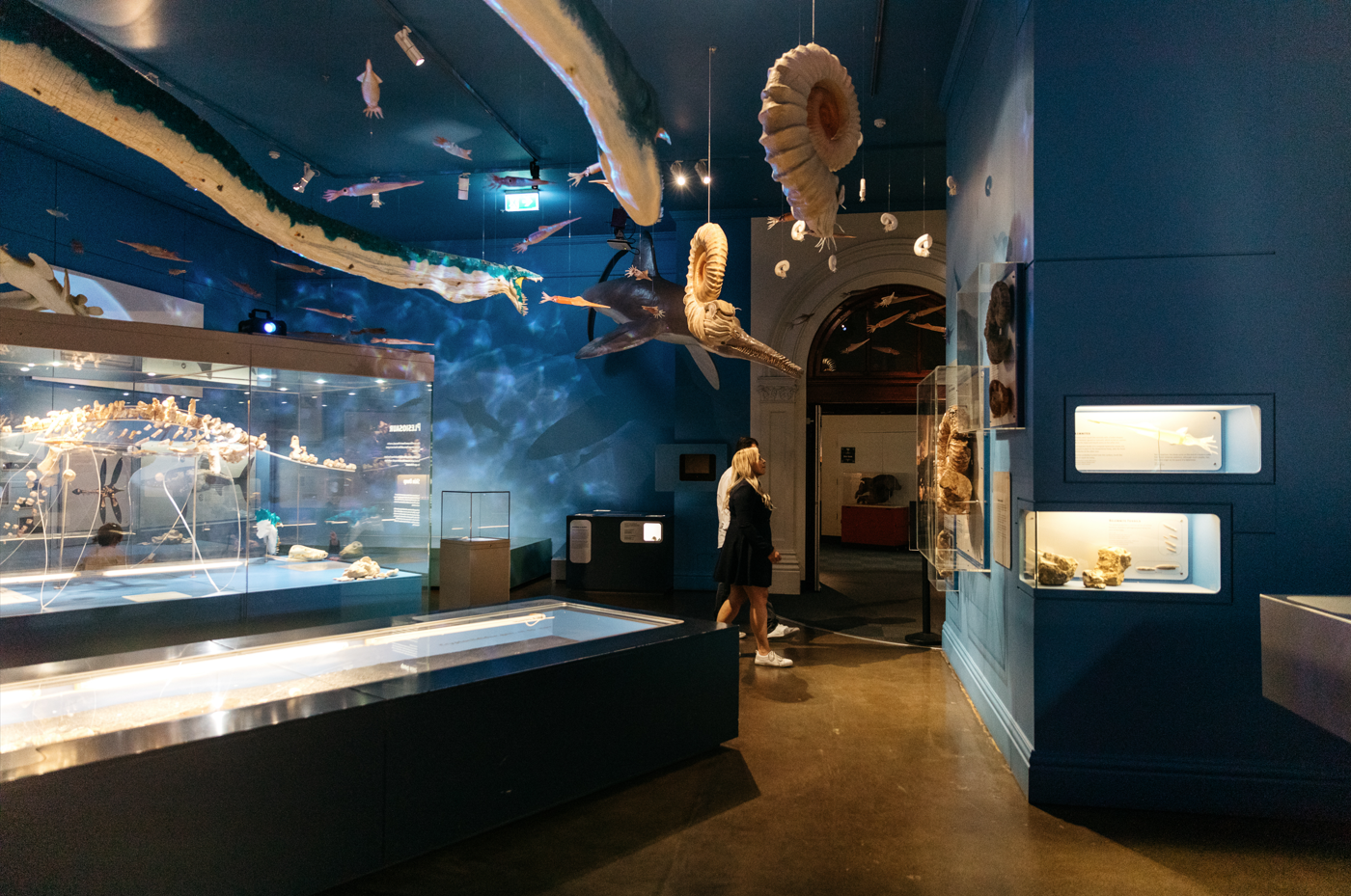
Adelaide will welcome museum and natural history experts from around the world in November 2026, as it hosts a major international conference and annual general meeting for the global museums and collections sector, the ICOM NATHIST 2026 Annual Conference.
Jointly hosted by the South Australian Museum and the Botanic Gardens and State Herbarium of South Australia, the International Conference and AGM is an important calendar event for the International Council of Museums (ICOM) and its International Committee for Museums and Collections of Natural History (NATHIST).
The South Australian institutions were selected to host the event in recognition of their collective leadership in collections stewardship, research excellence and public engagement, and their shared contribution to advancing natural history museums and collections at an international scale.
As hosts, the South Australian Museum and the Botanic Gardens and State Herbarium will use the conference to highlight the role of natural history institutions in leading global conversations on environmental change. Both organisations will showcase research, innovative collection care practices and collaborative projects that demonstrate how museums can support evidence-based decision-making in a rapidly shifting world.
Titled Collections for a Changing World, the 2026 conference will bring together international leaders, researchers, practitioners and policymakers to shape how natural history collections can respond to, and help guide, the defining challenges of the 21st century.
The program will explore how science, culture and diverse knowledge systems can work together to address global challenges, including climate change, biodiversity loss and wider societal transformation.
From 9 to 11 November 2026, delegates will gather at the National Wine Centre of Australia for the AGM and main conference, followed by additional days of facilitated sessions, specialist workshops, guided tours and curated regional excursions. Student and early‑career‑focused technical activities and side events will also form part of the broader program.
Key conference themes include:
A detailed program will be released in May, alongside full registration information, online and hybrid participation options, and details of post‑conference tours and events.
Several bursaries will be available, with a particular focus on supporting students, early‑career museum professionals and cultural workers aged under 35.
Comments attributable to Director of the Botanic Gardens and State Herbarium of South Australia Michael Harvey
The organisation was proud to welcome the international natural history community to Adelaide.
Globally, Botanic Gardens are home to living and preserved botanical collections, both of which hold incredible scientific, cultural and environmental value, in addition to their public role as places of tranquility, education and wonder.
Hosting the ICOM NATHIST conference is an outstanding opportunity to showcase our gardens, collections and scientific work, while sharing how South Australia is caring for plants, biodiversity and Country. Bringing people together in a city known for its green spaces and scientific collaboration feels especially fitting.
Comments attributable to Director of the South Australian Museum Dr Samantha Hamilton
The ICOM NATHIST Conference is a powerful recognition of the South Australian Museum’s standing as an internationally respected centre for natural history collections, research and public engagement.
Hosting this conference in Adelaide allows us to share our work with colleagues from around the world, while learning from diverse perspectives on how museums can respond to the defining challenges of our time.
Natural history collections sit at the intersection of science, culture and community. They help us understand where we have come from, what is changing around us, and what knowledge we need to safeguard the future.
Just as importantly, this conference creates meaningful opportunities for students and early‑career professionals to engage with global leaders in the field. Supporting the next generation is essential if we are to continue caring for collections and knowledge in a rapidly changing world.


