Deep beneath the deserts of western and central Australia lies a hidden world.
A world of idyllic island archipelagos – idyllic that is if you’re a blind, wingless water beetle.
These are not islands in the conventional sense though. Rather they are islands of water or isolated aquifers within a carbonate rock known as calcrete. The calcretes are scattered beneath the desert and they have provided refuge for a bizarre assortment of animal life for millions of years.
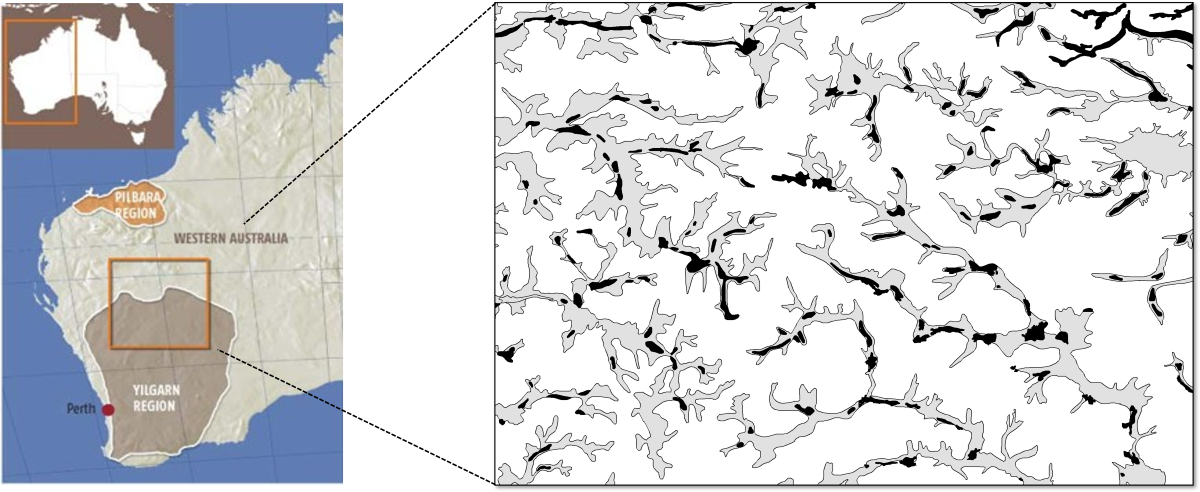
The fauna includes countless species of subterranean water beetles, each of which evolved in isolation deep within their hidden ‘island’. Each species has lost its eyes, body pigment and wings, but they have also evolved unique characteristics, such as the ability to breathe under water, without needing to go to the surface for air like their surface relatives.
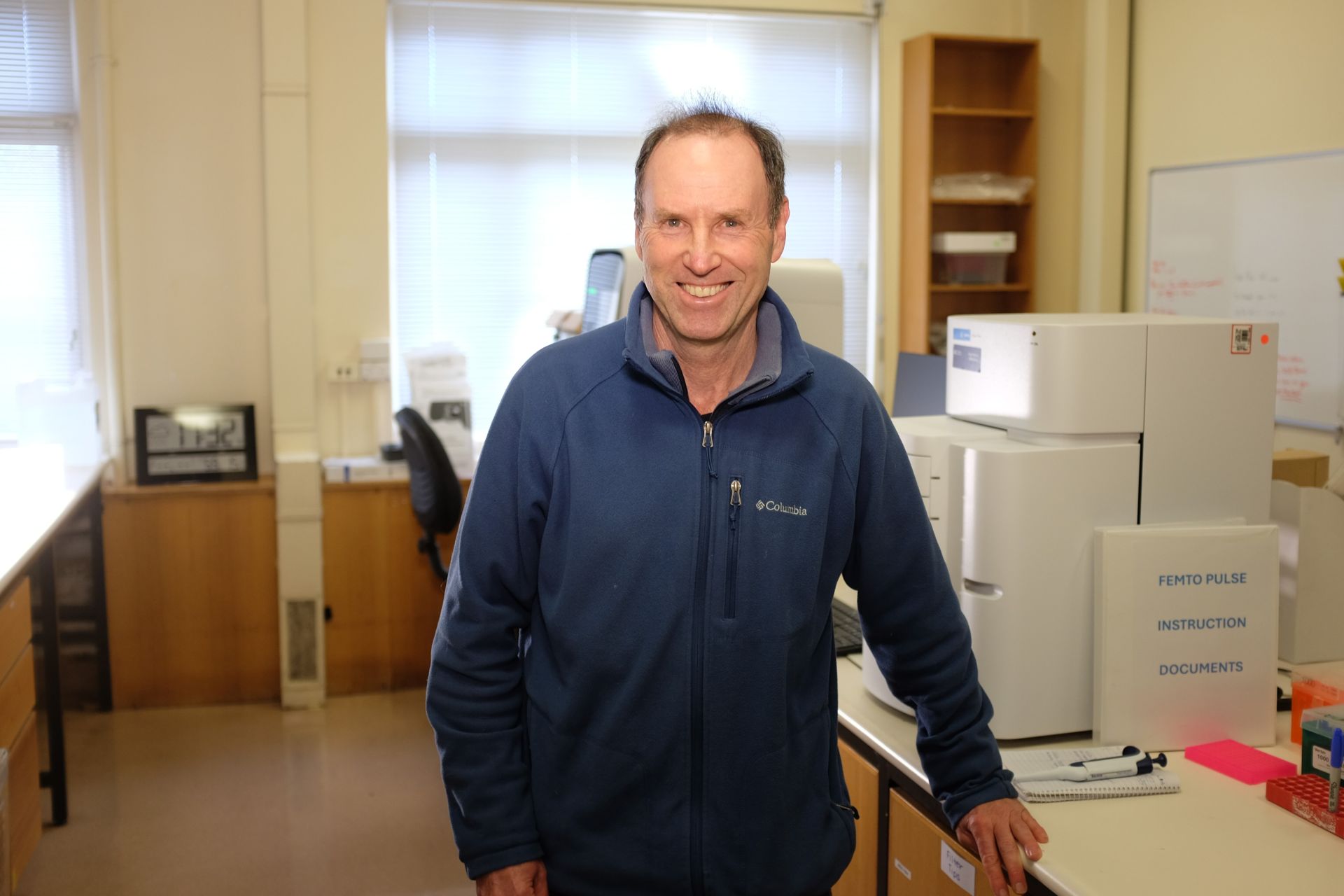
“The aquifers are essentially like the Galapagos Islands, except for cave animals,” said Professor Steve Cooper, Principal Researcher in Evolutionary Biology at the South Australian Museum. In this case, the water beetles are the evolutionary equivalent of Darwin’s finches, showcasing how animals adapt and evolve to live in complete darkness underground.
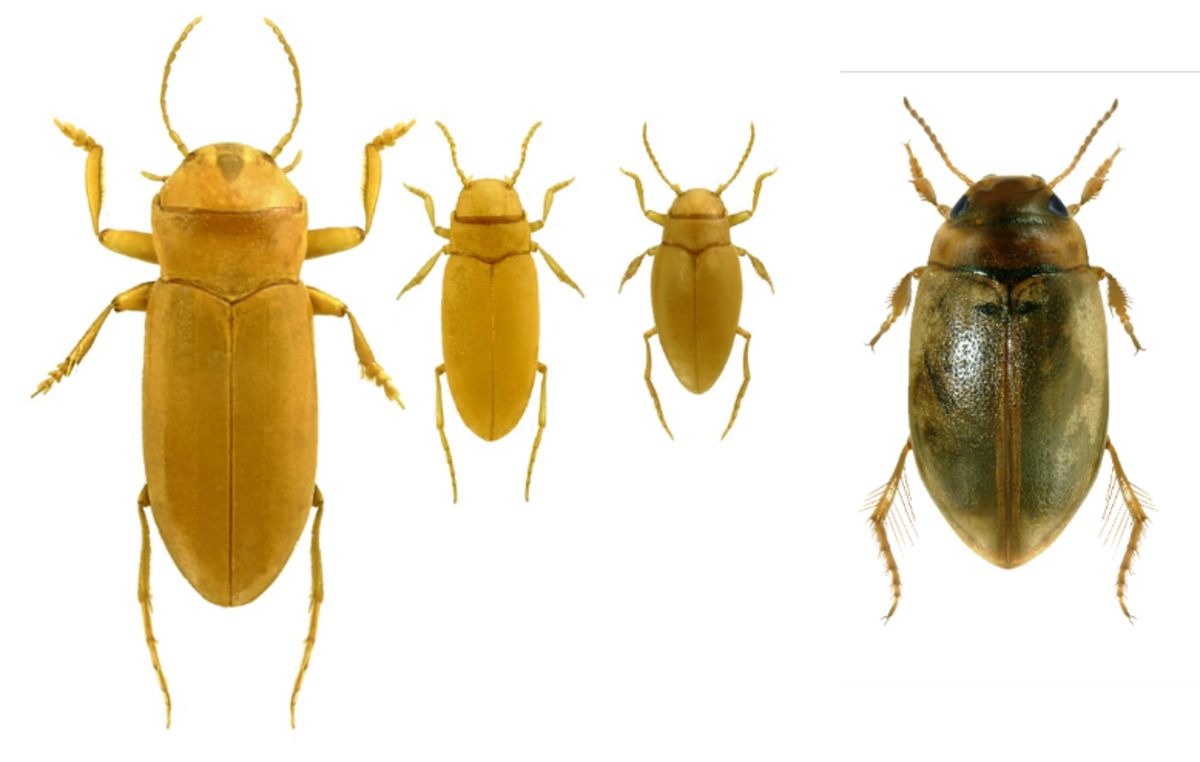
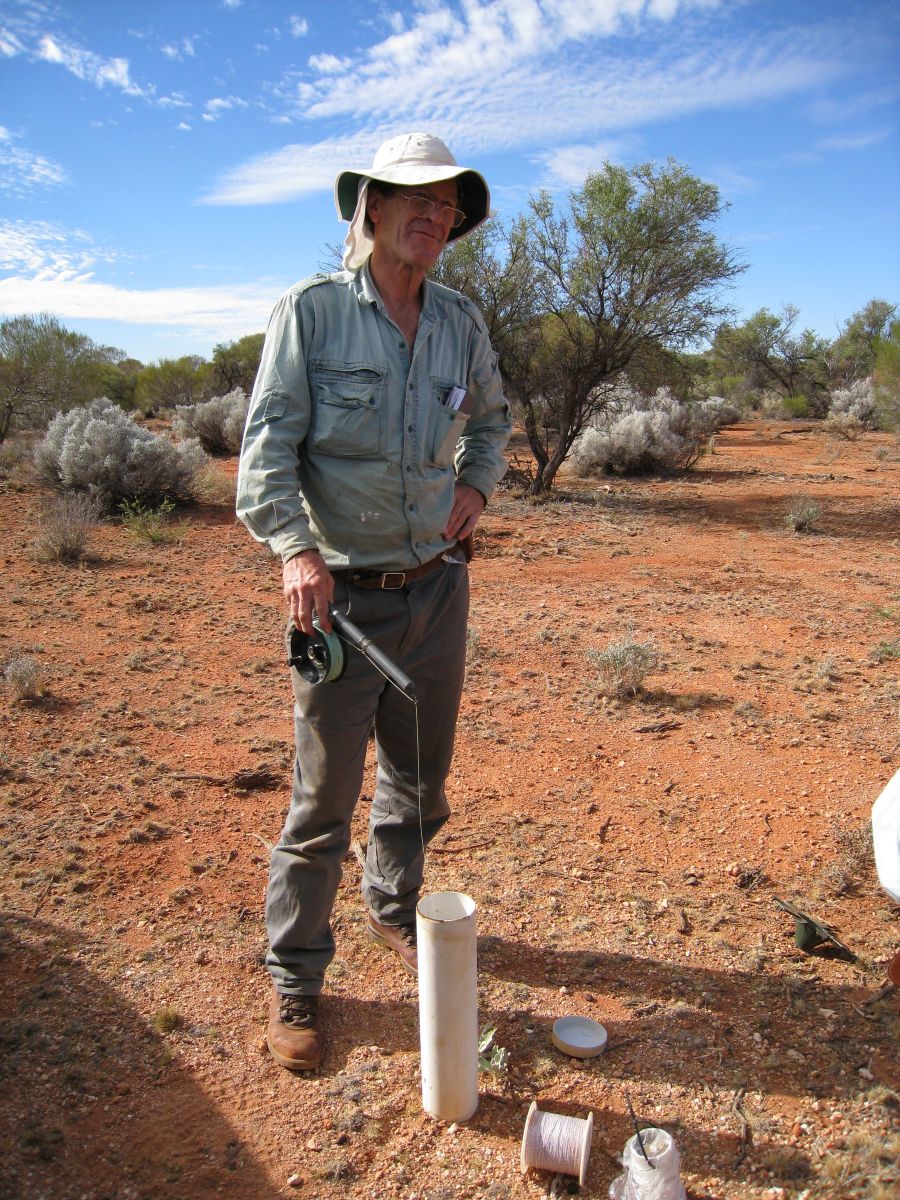
The water beetles were discovered by the late William (Bill) Humphreys, former curator at the Western Australian Museum, and cave biologist Stefan Eberhard. Bill’s ongoing efforts to survey the region over the last 25 years led to the discovery of more than 100 distinct species, which have now been described by South Australian Museum taxonomist, Dr Chris Watts.
The water beetles are now starting to reveal their DNA secrets thanks to the work of scientists at the South Australian Museum, including Professor Steve Cooper, Researcher Dr Terry Bertozzi, and Adelaide University postdoctoral researcher Dr Elisabeth Williamson, funded by the Australian Research Council.
Groundbreaking groundwater research is also being undertaken by other South Australian Museum scientists. Senior Researcher in Marine Invertebrates and Head of Research, Dr Rachael King, is conducting taxonomic research on small crustaceans known as amphipods, which are found in aquifers in the Adelaide Hills, and in other aquifer systems throughout Australia. Meanwhile, honorary researcher, Dr Remko Leijs, has made many significant discoveries of groundwater invertebrates throughout the Mount Lofty Ranges and other regions of South Australia.
“It’s been a real Museum-wide project,” Steve said. “There are animals living in the groundwater all over the country and there is an urgent need to taxonomically describe them.”
Find out more about our biological research at the Museum.


